
![Diners enjoy brunch outside Hatched in Town & Country Village on Saturday morning. The restaurant, which opened in January, is Palo Alto’s second Hatched location and focuses on egg-centric breakfast and lunch options in an area that previously lacked breakfast spots. Manager Craighton Poon said the restaurant has been well-received by the community. “People are receiving us [Hatched] really, really good and it’s pretty busy every day,” Poon said.](https://chompmag.com/wp-content/uploads/2026/04/IMG_1052-1200x800.jpg)
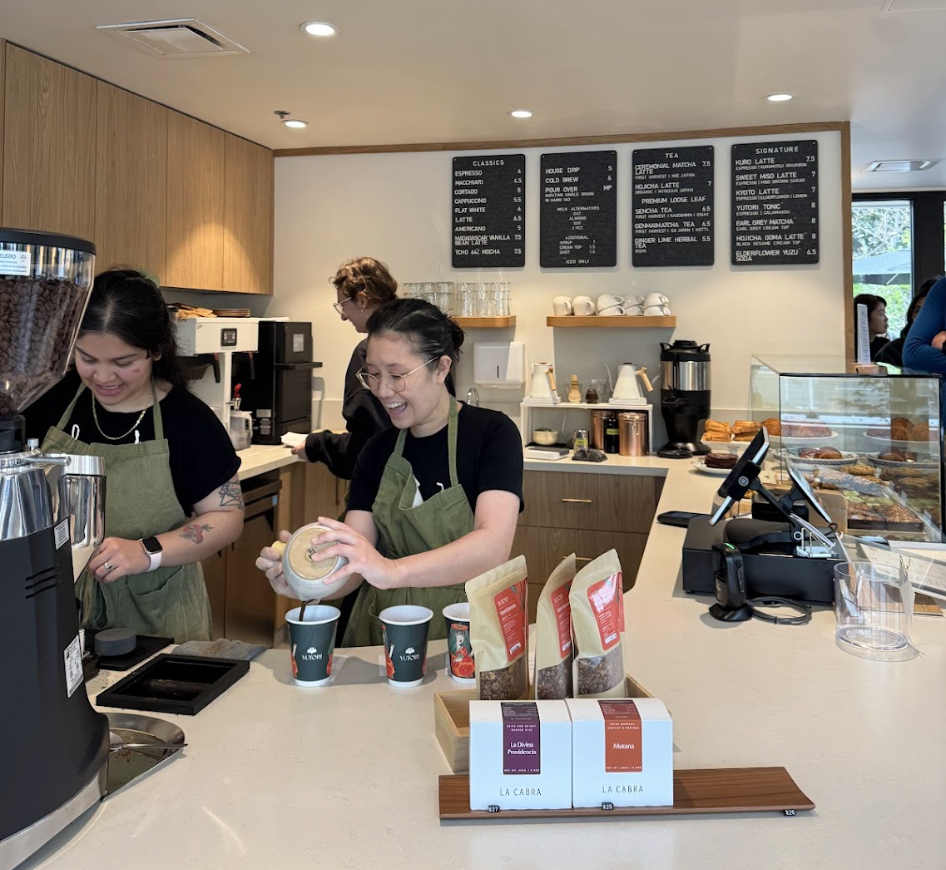
Tucked away in Ventura, Palo Alto, Yutori isn’t your typical cafe. At first glance, it appears to be a minimalist Japanese coffee shop. But when you step inside, you’ll find a perfectly curated grocery store stocked with imported snacks, pantry staples, and specialty goods.
The concept raises the question: Is Yutori just another aesthetic cafe, or does it offer something genuinely different from other spots in the area? The answer is a mix of both.
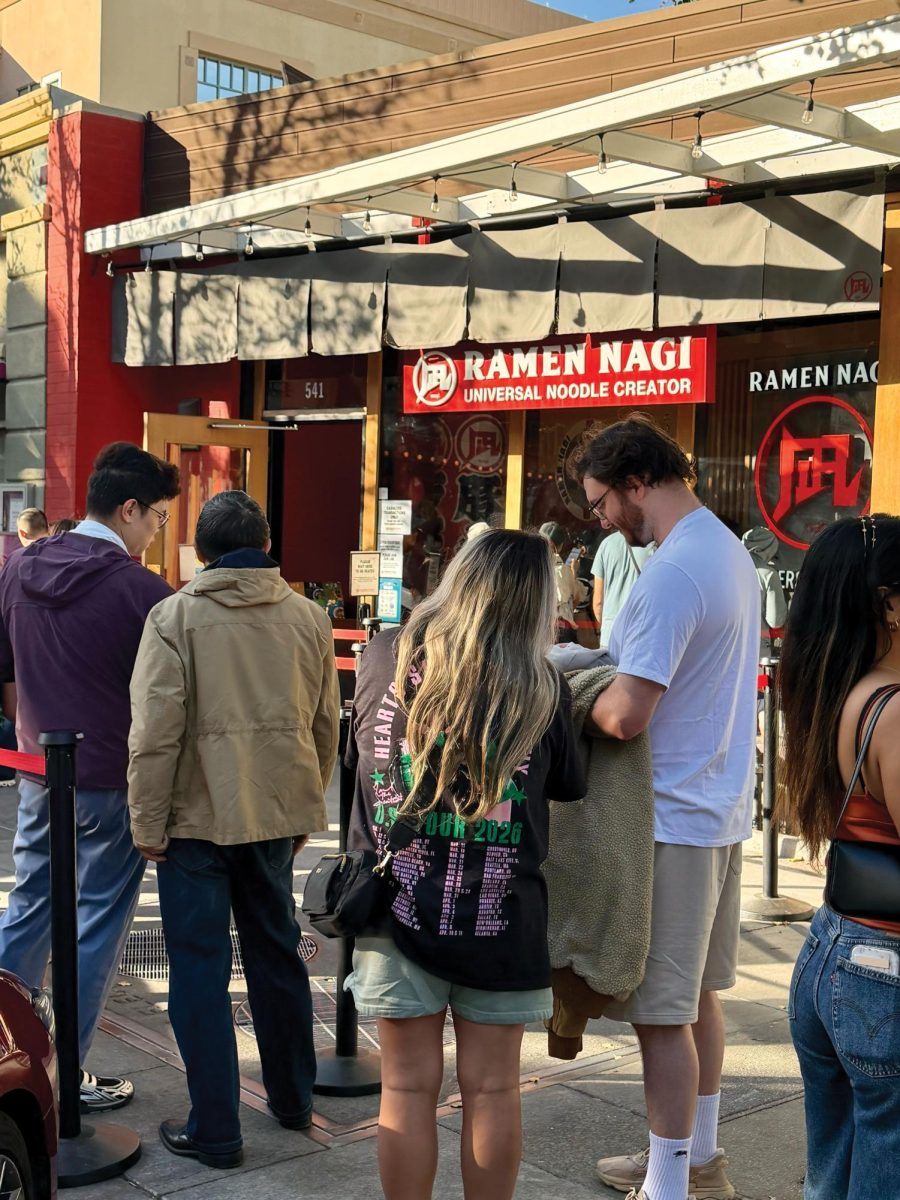
Yutori opened April 13, 2026, on 3375 El Camino Real, replacing the long-gone Corner Bakery Cafe. The initial hype was hard to ignore, with lines that stretched out the door and wait times reaching an hour or more. We visited around 9:40 a.m. on a Saturday, and the line had already reached the parking lot. For a brand-new cafe, that level of buzz suggests high expectations.
Yutori co-owner Lily Peng said Yutori holds a special meaning in Japanese.
“Yutori is a Japanese meaning for giving space and enjoying the moment, like a space to breathe,” Peng said. “We wanted to create a space that brings that element of taking a pause in your busy daily lives and having the ability to sit back and enjoy the present time.”
Yutori stands out primarily due to its hybrid setup, featuring a line for the cafe and a line for the deli. While most local cafes focus solely on drinks and light pastries, Yutori blends a cafe experience with a small Japanese marketplace and a soon-to-be-opening restaurant in the next two months.
“We want customers to come multiple times in a day, potentially to have different experiences,” Peng said. “They come in the morning grab their coffee, they come at lunch and grab something quick to eat like a sandwich or a bento box, and then if they want in the evening or weekends they can come and do a celebratory dinner with friends and family for birthdays, anniversaries, and whatnot.”
Shelves are lined with items you wouldn’t typically find at a standard grocery store, including traditional fruit sandos and kitchen tools crafted from Japan.
“We have retail products from Japan too that we want to showcase from different artists that only work in Japan and only ship their products in Japan,” Peng said.
These small details provide Yutori with a distinct identity, somewhere between a cafe and a convenience store you might find in Japan.
“We wanted to offer a bunch of different options for brunch and dinner menus,” Peng said. “[We also wanted to incorporate] the idea of a konbini, which is a Japanese grocery store, because they’re around every corner in Japan and they’re very convenient to stop in and grab a quick bite to eat through a busy day.”
Throughout the first few opening weeks, Peng said Yutori struggled to keep up with the demand for products.
“When we first opened, we did not expect the volume, and within the first day, we ran out of products like eggs and milk which is a staple to bread which is a staple to a lot of our products we serve,” Peng said. “We had to make multiple last minute runs to grocery stores to replenish all the products that we needed for the rest of the weekend.”
According to Peng, Yutori still has many dishes they’re excited to release in the future.
“We’re constantly testing out new items on the deli side like new sandwiches, new bento boxes and different sushi items, and we’re very open to customer feedback,” Peng said. “On the cafe side, we’ll constantly evaluate our menu and introduce new flavors and new versions of pastries and drinks.”
The Ham Katsu Sando ($17.50) seemed to be one of the more substantial menu items. Made fresh to order, it features crispy panko-crusted ham layered inside soft milk bread, paired with red cabbage and a Kewpie hot honey mustard sauce. In theory, it’s a classic Japanese convenience store-style sandwich. However, while the ham is crispy and well-cooked, the milk bread tastes closer to standard white bread, and the cabbage is less prominent than expected. The sauce is unexpected at first — reminiscent of wasabi before settling into a sweeter profile.
Considering the wait times during opening week, the result feels slightly less satisfying than expected. After waiting nearly an hour or more for our drinks, we started getting hungry for some real food, and the sando may not fully match the expectations created by the opening buzz. At $17.50, it ends up feeling like a simpler menu item compared to its price point.
The Black Sesame Scone ($6) has golden, crisp edges and a soft, crumbly inside. We were lucky that a new batch had just been baked and brought out to the front when we ordered the scone, so the freshness elevated the dish. The base leans slightly plainer and lacks a clear flavor on its own. Luckily, most of the taste comes from the icing, which brings a strong sesame flavor with a mild sweetness. The flavors stay simple and work for those who prefer less-sweet pastries, but may feel too plain for others. We felt that the bites with icing were delicious, but the bites without it were bland.
Their drinks, however, were a different story.
The Sweet Miso Latte ($7) is a standout. It strikes a balance between sweetness and creaminess, with a subtle savory edge from the miso. At first glance, the idea of miso in a latte might seem strange — almost like it could veer into “miso soup” territory — but it didn’t. Instead, the flavor is mellow and unique, though the miso flavor fades as you continue drinking and get used to it. It’s the kind of drink that feels creative without being gimmicky, and one that’s easy to recommend.
The Hojicha Goma Latte ($8) has a thick cream top with a strong roasted sesame flavor. The hojicha, a type of Japanese roasted green tea, is lighter and tastes diluted at times, so together they balance nicely. We felt that the sesame adds the depth that the tea lacks. The drink feels cohesive overall. As hojicha lovers, we thought the tea was average, but when added with the cream, it was flavorful and delightful.
So, is Yutori a realistic spot for Palo Alto High School students?
The cafe’s hours, which are 8 a.m. to 5 p.m., make it inaccessible before and after school, with after-school activities making timing difficult. With other cafes like Yummy Future, Maruwu Seicha, and even Starbucks being open late, Yutori doesn’t seem like a competing study spot.
“As we ramp up, get comfortable with the current operations and hours, and have more staff to do more, then we’ll consider changing our hours a little bit more,” Peng said. “We’ll see about the cafe and what the demand is for coffee and matcha in the later hours of the day.”
Still, the space itself — and especially the marketplace — adds value beyond the food. Being able to browse Japanese snacks and ingredients while grabbing a drink makes the experience feel more immersive.
Yutori brings a fresh new concept to Palo Alto, but the execution varies dramatically depending on what you order. The drinks stand out and are worth trying, while the pastries are solid but not a huge draw on their own. The main food, however, does not justify the price.
Overall, Yutori works best as an occasional stop for drinks and the aesthetic marketplace, rather than a go-to spot for a full meal.
“We’re trying to bring a lot of elements and favorites of Japan to Yutori, whether it’s our food, our drinks, the products that we sell,” Peng said. “Hopefully, when they come, it’s an experience that they can’t really get anywhere else that easily.”
![SERVING ICE CREAM A perfect ice cream after waiting in Salt and Straw’s long line. The newly released
flavors draw in large crowds each month. Store manager Pedro Vargas witnesses them first hand.
“Normally there’s a big crowd around here ... Fridays [and] Saturdays are our busiest days,” Vargas said.](https://chompmag.com/wp-content/uploads/2026/05/Screenshot-2026-05-20-at-1.33.43-PM-1200x799.png)